When it comes to ice cream, presentation and storage matter. Ice cream containers play a crucial role in this experience. A good container preserves flavor and texture, enhancing your indulgence. The right choice can transform serving, making it visually appealing and practical.
Many options are available, with various materials and sizes. Some containers maintain temperature well, while others are designed for stunning displays. However, selecting the perfect ice cream container involves more than looks. It’s about practicality, ease of use, and the type of ice cream you enjoy.
While some containers seem perfect, they may not suit everyone. Perhaps you’ve faced issues with lids that don't seal. Or, maybe your favorite container isn’t easy to scoop from. Picking the best ice cream containers requires careful thought. Embracing both aesthetics and functionality ensures a delightful experience with every scoop.
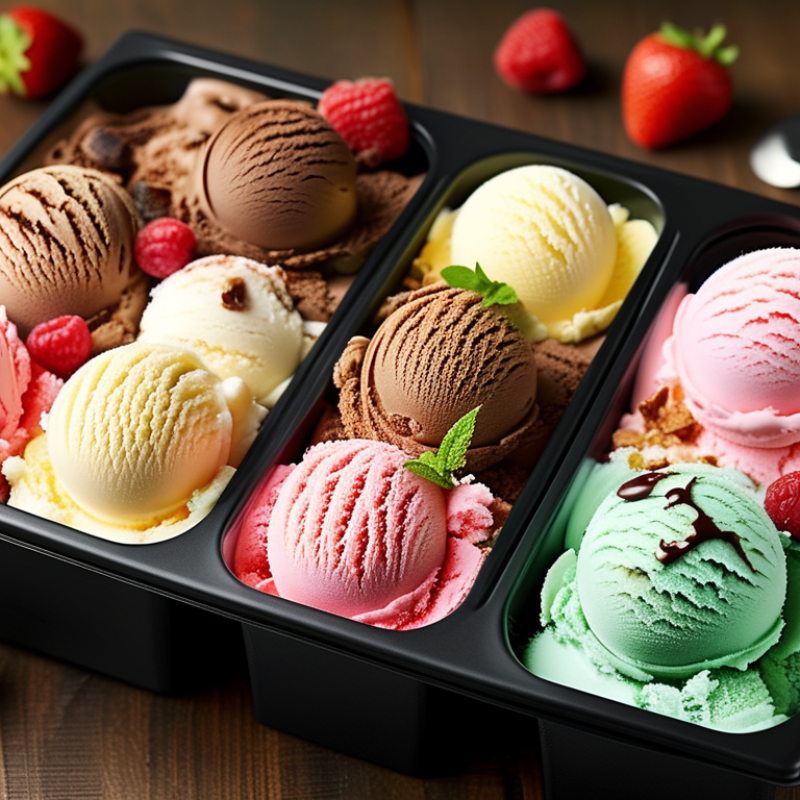
When it comes to selecting the best ice cream containers, several factors must be considered. The material of the container greatly influences storage longevity. According to industry data, high-quality plastic or glass containers significantly reduce freezer burn, keeping your ice cream fresher for longer periods. However, the thickness of the walls also plays a crucial role in insulation. Thinner walls might save space but could compromise on freezing efficiency.
Temperature stability is a key aspect as well. Ice cream must be stored at consistent temperatures, ideally below -20 degrees Fahrenheit. A report from the Ice Cream Association suggests that nearly 20% of ice cream tastiness is affected by temperature fluctuations. Thus, investing in insulated ice cream containers pays off. These containers not only maintain the ideal serving temperature but also protect against external odors that could alter flavors.
Moreover, presentation matters. Clear containers allow for a visually appealing display, enticing customers or family members. However, while aesthetic is essential, durability should not be overlooked. Many consumers report that their containers crack or warp over time, which raises concerns. Ensuring a balance between visual appeal and practical functionality is essential for any ice cream lover or business owner.
When it comes to ice cream storage, the choice of material is critical. Plastic containers are lightweight and often come with tight-sealing lids. They are easy to stack and manage, making them a popular option. However, they can absorb odors and may not retain cold temperatures as effectively as other materials. This can lead to a less-than-ideal texture for your ice cream over time.
On the other hand, glass containers are an elegant choice. They are excellent at maintaining temperature and do not retain smells. Glass can also contribute to a visually appealing presentation. Yet, they can be heavy and breakable, which is something to consider if you have kids. Metal containers provide durability and effective insulation. However, they might react with certain flavors, potentially altering the ice cream's taste. Each material has its merits and drawbacks, which complicates the selection process. Choosing the right container is not always straightforward, and personal preferences play a significant role.
| Material | Insulation | Durability | Aesthetic Appeal | Price Range |
|---|---|---|---|---|
| Plastic | Moderate | Low | Basic | $5 - $15 |
| Glass | High | High | Elegant | $15 - $30 |
| Metal | High | Very High | Sleek | $20 - $40 |
Choosing the right container for ice cream is essential for maintaining its quality. Insulating properties play a crucial role in keeping ice cream at the perfect temperature. A well-designed container minimizes temperature fluctuations, helping to maintain a smooth texture.
The thickness of the container walls can greatly influence insulation. Thicker walls often provide better protection against heat. However, not all thick containers are effective; the material also matters. Some materials may trap air, leading to ice crystals forming on the surface. This can ruin the creamy consistency that everyone loves.
Visual appeal is just as important as functionality. Clear or colored containers can enhance presentation. They invite curiosity and make a statement. However, choose those that don't compromise insulation for aesthetics. It's a delicate balance that requires careful thought. Each container's design can significantly alter the final experience.
When it comes to serving ice cream, presentation plays a pivotal role. The right container can elevate the experience significantly. Consider using clear glass bowls or vibrant ceramic dishes. These choices not only highlight the ice cream's colors but also add a touch of elegance to the dessert. People often eat with their eyes first. A beautifully arranged scoop can enhance anticipation and enjoyment.
Decorative elements also add to the experience. Toppings such as sprinkles, fresh fruit, or even edible flowers can be fun accents. These details often spark conversation and create a festive atmosphere. It’s fascinating how a simple addition can shift the focus and elevate a mood. However, not everyone prefers a heavily adorned dessert. Some may appreciate simplicity, highlighting the flavor over flashy presentations.
Choosing the right container and decorations can be tricky. It's essential to find a balance that reflects personal style yet doesn't overpower the main attraction—ice cream. Encourage creativity while remaining mindful of taste. After all, the goal is to enhance enjoyment, not complicate it. Experimenting can lead to delightful surprises, but a cluttered look might miss the mark. Finding what works best is part of the fun.
When it comes to ice cream storage and safety, best practices are critical for maintaining quality. According to the FDA, ice cream should be stored at a consistent temperature of 0°F (-18°C) or lower to stave off microbial growth. This temperature helps maintain its texture and flavor. Container materials also matter; food-safe materials can prevent unwanted chemical leaching into the ice cream.
For optimal presentation, consider clear containers that showcase the ice cream’s rich colors. Research suggests that visual appeal enhances customer enjoyment, thus influencing purchasing decisions. Remember to label containers with production dates, ensuring that you rotate stock effectively. Ice cream is best consumed within two months for optimal flavor.
Keeping a checklist can improve your storage practices. Monitor freezer temperatures regularly to ensure consistency. Check for signs of ice crystals, which indicate temperature fluctuations. Regular training for staff on these standards fosters a culture of food safety. Reflect on processes periodically; small adjustments can lead to better outcomes.
: Each material has pros and cons. Plastic is lightweight but may absorb odors. Glass maintains temperature well but is heavy. Metal is durable but can alter flavors.
Insulating properties are key for texture. A well-designed container minimizes temperature changes, preserving smoothness.
Thicker walls can provide better insulation. However, not all thick containers work well; material choice is also crucial.
Use clear or colored containers to enhance presentation. They can invite curiosity, but ensure they don’t compromise insulation.
Store ice cream at 0°F (-18°C) or lower. This helps prevent microbial growth and maintains texture and flavor.
Ice cream is best consumed within two months. Full flavor is more difficult to maintain beyond that timeframe.
Monitor freezer temperatures regularly. Ensure containers are well-sealed and avoid frequent temperature fluctuations.
Label production dates to ensure proper stock rotation. This helps in using ice cream within its optimal flavor timeline.
Food-safe materials prevent harmful chemicals from leaching into the ice cream. This ensures safety and maintains quality.
Regular training fosters a culture of food safety. Staff who understand best practices can contribute to better storage outcomes.
When it comes to storing and presenting ice cream, choosing the right ice cream containers is essential. This comprehensive guide explores various storage solutions, comparing materials such as plastic, glass, and metal. Each material offers unique benefits, which can affect not only the insulation properties—keeping ice cream at the desired consistency—but also how appealing the presentation can be, thanks to various decorative elements.
Furthermore, the guide emphasizes the importance of adhering to industry standards for ice cream storage and safety practices to ensure quality and hygiene. By understanding these key aspects, consumers can make informed decisions that enhance both the storage and enjoyment of their favorite frozen treats, making the right choice of ice cream containers vital for any ice cream enthusiast.

Charmlite Cup