In the global ice cream market, the demand for Ice Cream Tub Containers is growing rapidly. According to recent market research, this segment is expected to increase by 6% annually. As consumers seek premium packaging, brands must adapt to environmental concerns. Innovative designs and sustainable materials are becoming essential.
Ice Cream Tub Containers play a crucial role in preserving product quality. Yet, many manufacturers struggle to balance aesthetics with functionality. Subpar containers can lead to freezer burn or leaking. An average consumer may not notice these flaws at first. However, they can impact brand reputation over time.
Choosing the right Ice Cream Tub Containers goes beyond aesthetics. Factors like insulation, material, and closure mechanisms matter significantly. A strong container not only serves the product but also enhances customer experience. Failing to consider these elements can result in lost sales opportunities. Brands must reflect on their choices and invest wisely in packaging solutions.
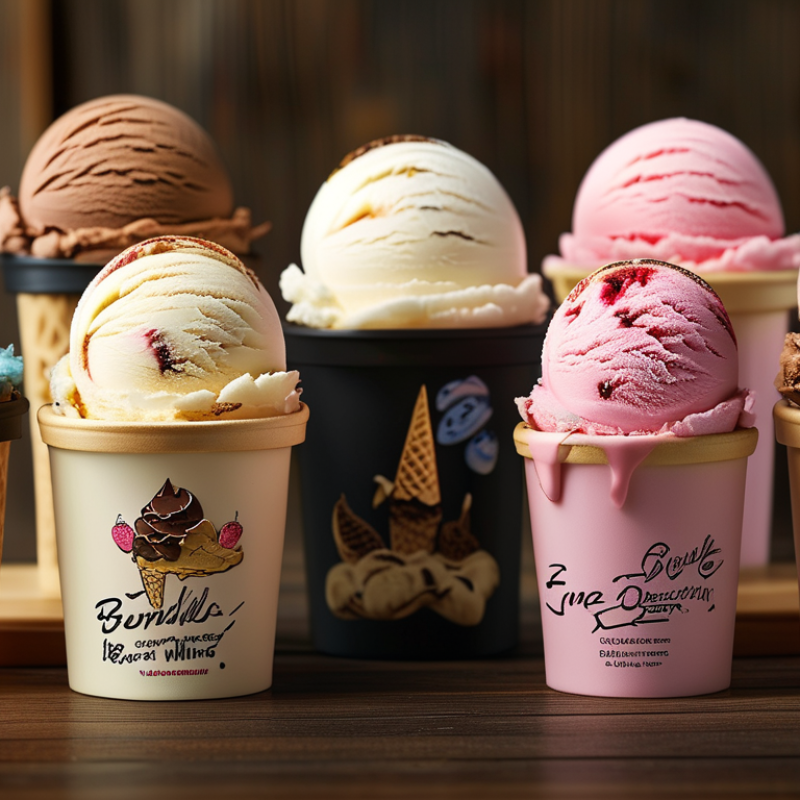
Ice cream tub containers play a crucial role in the global market. They are more than just packaging. These containers ensure product safety, enhance shelf life, and attract customers. A well-designed tub can stand out on shelves, influencing consumer choices. The materials used in production can also impact freshness, which is vital in maintaining flavor and texture. Many manufacturers struggle with finding the right balance between aesthetics and functionality.
Sustainability is becoming a significant concern for buyers. Consumers are increasingly looking for eco-friendly options. This shift challenges manufacturers to innovate. However, not all materials provide the same benefits. Some containers may be biodegradable but fail at preserving quality. Others excel in durability but are not environmentally friendly. This dilemma requires careful consideration.
Overall, the choice of ice cream tub containers affects market success. It's essential for businesses to stay updated on trends. Embracing new technologies and materials can lead to improved products. Transparency in sourcing materials builds consumer trust. As the world becomes more interconnected, understanding these nuances is vital for global buyers.
When considering ice cream tub containers, materials play a critical role. The most prevalent choices include polypropylene, polystyrene, and paperboard. Polypropylene is a popular thermoplastic known for its flexibility and resistance to moisture. According to industry reports, around 45% of ice cream tubs made globally use polypropylene due to its recyclability and lightweight nature.
Polystyrene is another common material, often chosen for its insulation properties. This helps in maintaining the ice cream’s temperature during transport and storage. However, recent studies have exposed environmental concerns surrounding its production and disposal. As consumers become more eco-conscious, manufacturers may face pressure to shift to more sustainable materials.
Paperboard is gaining traction as an alternative. Its biodegradability makes it appealing for environmentally friendly brands. However, its structural integrity can be less robust compared to plastic options. This can lead to challenges in maintaining freshness and quality over time. Balancing sustainability with practicality remains a complex issue for the industry. Data shows that only 35% of consumers prioritize eco-friendly packaging when choosing ice cream brands.
When selecting ice cream tub containers, five key features stand out. Durability is crucial. The right material should withstand cold temperatures without cracking. High-density polyethylene (HDPE) is a popular choice. According to industry reports, HDPE provides excellent impact resistance. It can ensure a longer shelf life for products.
Secondly, sealing capability can’t be overlooked. Proper sealing prevents contamination and maintains flavor. Many reports indicate that airtight solutions can reduce waste by over 20%. This highlights the economic benefits of high-quality seals.
Lastly, design plays a vital role in customer attraction. Attractive graphics can enhance brand visibility. Research shows that appealing packaging can boost sales by nearly 30%. Eco-friendly options are increasingly in demand, as 70% of consumers prefer sustainable packaging. All these aspects combined will help in making informed choices that align with both consumer preferences and sustainability goals.
The ice cream tub container industry is experiencing significant growth. According to a recent market analysis, the global market is projected to expand at a compound annual growth rate (CAGR) of 4.5% from 2023 to 2030. This growth reflects the rising consumption of ice cream worldwide. Consumers are increasingly looking for convenience and sustainability in their packaging choices. The data suggests that eco-friendly materials are gaining traction, as more buyers seek recyclable or biodegradable options.
As key market players adapt to these trends, they must also face challenges. The cost of raw materials is fluctuating, impacting overall pricing strategies. Balancing sustainability and profitability can be tricky. Many manufacturers are investing in innovation. They develop new designs that enhance customer appeal while considering production efficiency. The report indicates that regions with high ice cream demand, like North America and Europe, are leading the way in adopting these innovations.
Market dynamics are influenced by changing consumer preferences. A growing segment of consumers prefers premium and artisanal ice creams, prompting suppliers to reconsider their offering strategies. However, a shift towards healthier options creates mixed responses. As competitors emerge, staying ahead requires agility and a deep understanding of these market shifts. Companies must remain vigilant to keep up with evolving trends and consumer needs.
Sustainability is a critical consideration in the production of ice cream tub containers. Many manufacturers are now adopting eco-friendly materials and innovative designs that minimize environmental impact. According to a recent industry report, over 70% of consumers prefer products that use sustainable packaging. This trend is reshaping how companies approach packaging in the ice cream sector.
Biodegradable options are gaining traction. Containers made from plant-based materials, such as PLA (polylactic acid), can decompose within a few months. This contrasts sharply with traditional plastics, which can persist in landfills for hundreds of years. Implementing sustainable practices not only helps the environment but also appeals to a growing market segment that values green products.
When considering ice cream tub containers, buyers should evaluate the entire life cycle of the product. This means assessing sourcing, manufacturing, and disposal methods. Some manufacturers focus on reducing energy consumption during production, while others are exploring reusable tub designs. Acknowledging these factors is vital in making informed purchasing decisions.
Tips: Look for certifications that indicate sustainability. Engage with suppliers who prioritize eco-friendly practices. Regularly review new materials entering the market for better options.
: They ensure product safety and enhance shelf life, impacting customer choices.
Consumers now prefer eco-friendly options, pushing manufacturers to innovate responsibly.
High-density polyethylene (HDPE) is popular due to its durability and impact resistance.
Proper sealing prevents contamination and maintains flavor, reducing waste significantly.
Attractive designs can boost brand visibility and increase sales by up to 30%.
The market is projected to grow by 4.5% annually, driven by eco-friendly packaging demands.
A rise in demand for premium options prompts suppliers to rethink their strategies.
Fluctuating raw material costs make balancing sustainability and profitability difficult.
It builds consumer trust and aligns with the growing focus on sustainability.
Companies must adapt quickly to consumer trends and preferences to stay competitive.
Ice Cream Tub Containers play a crucial role in the global market, serving not only as vessels for ice cream but also as branding tools for manufacturers. Understanding the key materials used in their production, such as high-density polyethylene and paperboard, is vital for ensuring product integrity and sustainability. When selecting Ice Cream Tub Containers, buyers should focus on essential features like insulation properties, tamper-proof designs, user-friendly lids, and appealing aesthetics to enhance consumer experience.
The ice cream tub container industry is witnessing significant growth, driven by increasing demand and innovative manufacturing practices. Sustainability is becoming a pivotal consideration, with manufacturers adopting eco-friendly materials and designs to minimize environmental impact. As market trends continue to evolve, the emphasis on sustainable production will likely shape the future of Ice Cream Tub Containers, catering to both consumer preferences and regulatory standards.

Charmlite Cup